
Last updated: 1 October 2026

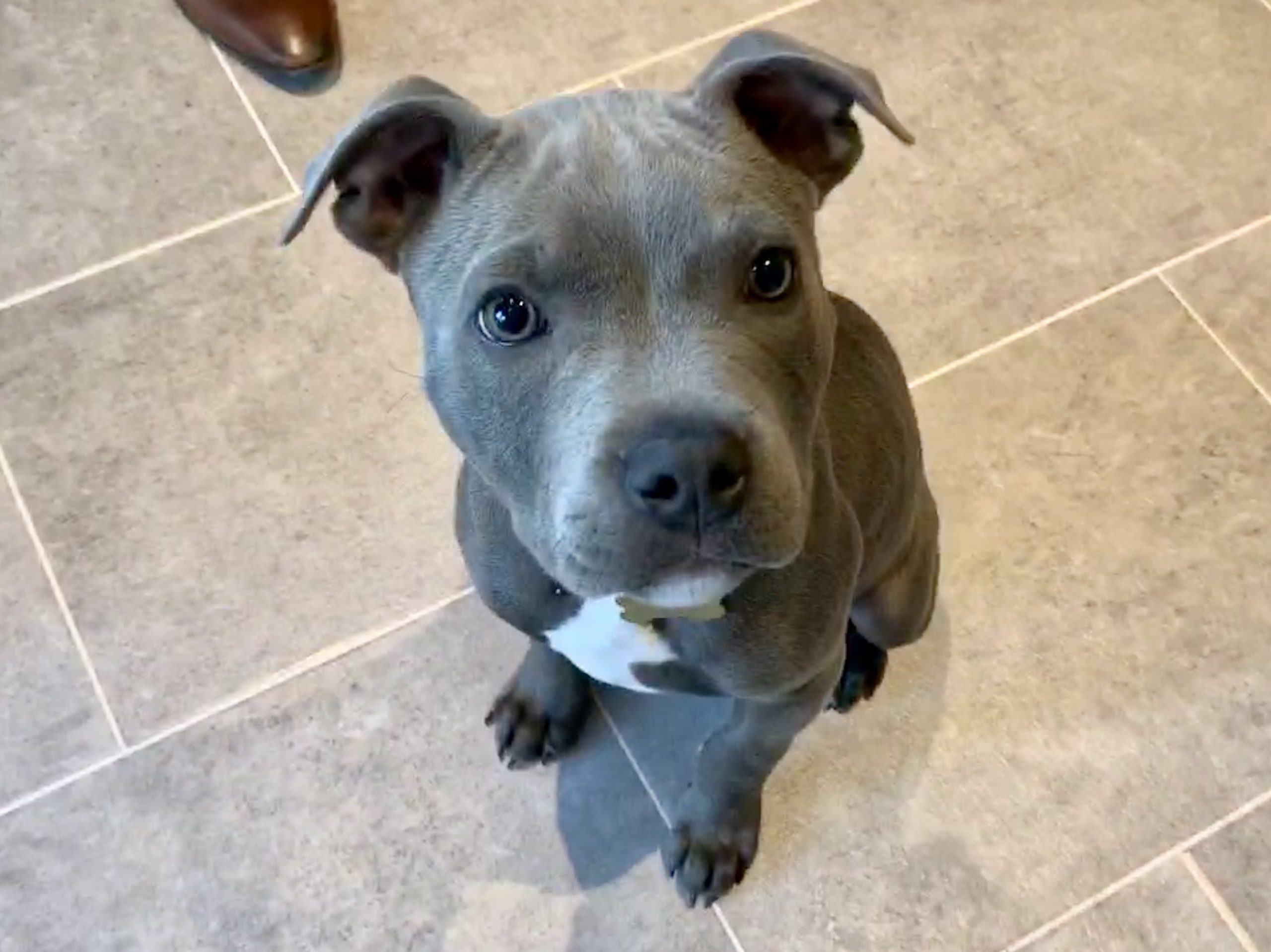
The day you bring your new puppy home is one of the most exciting days of dog ownership. It is also, if you are not prepared, one of the most overwhelming. The anticipation, the joy, and then the reality of a small, confused animal who has just been separated from everything it has ever known, its mother, its siblings, the smells and sounds it has grown up with, all arriving in your home at once.
The good news is that the first 24 hours do not need to be chaotic. With a little preparation and the right approach, you can make your puppy’s first day a calm, positive experience that sets the tone for everything that follows.
This is the guide I wish every new puppy owner received before they collected their dog.
🐾 Starting training from day one? Our puppy training packages in Kidderminster and Worcestershire are designed to give you expert support from the very first week. You do not need to wait for vaccinations to start.
Before your puppy comes home
The most important thing you can do for the first 24 hours happens before your puppy arrives. Being prepared means you are not scrambling around for equipment while a frightened puppy explores your house unsupervised.
Set up the crate in advance. Place it in a quiet corner of the room your puppy will spend most of their time in, with comfortable bedding inside and the door open. Put a worn item of your clothing inside so it already smells of you before they arrive. A crate that is already set up and inviting is very different to one that is erected noisily while a puppy watches anxiously from the floor.
Ask the breeder for a piece of bedding. A small piece of bedding that smells of the puppy’s mother and siblings is one of the most effective settling tools available to you. Most reputable breeders will provide this without being asked, but if they do not, ask. That familiar scent in the crate on night one makes a genuine difference.
Puppy-proof the space. Remove anything chewable from floor level in the areas your puppy will access. Cables, shoes, children’s toys, houseplants. Puppies learn by putting things in their mouths and anything accessible will be investigated. Prevention now saves frustration later.
Have food and water ready. Use the same food the breeder has been feeding for at least the first week. Changing food at the same time as changing environment is a reliable recipe for an upset stomach, which is the last thing you need in the first 48 hours.
Decide where the puppy will sleep before you collect them. Most trainers, myself included, recommend having the crate in your bedroom for the first few weeks. Your puppy can hear and smell you, which is genuinely reassuring for a dog that has just lost its entire social group. This is not a permanent arrangement. It is a transition that makes the first nights significantly calmer.
The car journey home
For many puppies, the journey home is their first experience of a moving vehicle. Some puppies sleep. Many do not.
Have someone travel with the puppy if at all possible, holding them on their lap or in a secure carrier rather than leaving them in a crate in the boot alone. The contact and proximity is reassuring. Bring the piece of bedding from the breeder for the journey.
If your puppy is distressed in the car, keep the journey as short as possible, drive smoothly, and resist the urge to repeatedly check on them as this can increase anxiety rather than reduce it. A calm, quiet presence is more helpful than frequent reassurance.
Motion sickness is common in puppies. Signs include drooling, yawning, and restlessness rather than just vomiting. If your puppy seems unwell, keep journeys short and positive in the early weeks. Speak to your vet if motion sickness is a persistent problem as there are effective medications that can help during this period.
Arriving home: the first two hours
This is where many owners make their biggest mistakes, usually because they are excited and want to share that excitement with their puppy, their children, their extended family, and everyone who has been waiting to meet the new arrival.
Resist this completely.
Your puppy’s first two hours at home should be as calm and quiet as possible. Here is the sequence that works:
Go straight outside. The moment you arrive home, take your puppy straight to the garden before bringing them inside. They will almost certainly need to toilet after the journey, and starting the potty training routine from the very first moment is the single most effective thing you can do. Take them to the spot you intend to use consistently, wait quietly, and reward warmly the moment they go.
Carry them inside and show them the space slowly. Do not put your puppy down in the middle of a busy room and let them work it out. Carry them around the one or two rooms they will have access to in the first few weeks, letting them take in the sights and smells from the safety of your arms. Then place them gently down and let them explore at their own pace.
Keep visitors to an absolute minimum. If you have arranged for family and friends to come and meet the puppy on day one, cancel or postpone. The puppy does not need that level of stimulation and it will make settling harder, not easier. Introductions can wait until day two or three at the earliest, and even then keep them brief and calm.
Introduce existing pets carefully. If you have other dogs or cats, introductions should be controlled, brief, and supervised. Do not leave them unsupervised together in the first days regardless of how well they seem to be getting on. Give your existing pets space away from the puppy and make sure they have somewhere to retreat to.
Introduce children calmly. Children are often the most excited people in the house on puppy day, and understandably so. Take time before collection day to explain to children that the puppy needs to be handled gently and quietly, that it is not a toy, and that there will be plenty of time to play once the puppy has settled. Supervise every interaction between young children and the puppy closely.
Toilet training from day one
Your puppy does not have reliable bladder control. They need to go to the toilet approximately every 30 to 45 minutes when awake, and always after waking up, after eating, and after playing. Starting the routine on day one is essential.
Take your puppy to the same spot in the garden every time. Wait quietly. The moment they go, mark it with a calm “yes” and reward with a treat. Do not make a huge fuss as this can be overstimulating and interrupt the process. Consistent, calm reward every single time.
Do not punish accidents. Your puppy is not being naughty. They genuinely cannot hold their bladder for long and they do not yet understand where you want them to go. Punishment teaches them to hide from you when they need to toilet, which makes the whole process take longer. Clean accidents with an enzymatic cleaner rather than bleach, which smells like ammonia and can attract them back to the same spot.
At night, expect to set an alarm and take your puppy out once or twice. A very young puppy (8 weeks) cannot go through the night without a toilet trip. Most puppies can sleep through by around 12 to 16 weeks with consistent management.
The first night with your new puppy
This is the part most owners dread, and understandably so. Here is what to expect and how to manage it.
Your puppy will almost certainly cry on the first night. They have just lost their entire social world in a single day. Some crying is entirely normal and does not mean you are doing anything wrong.
The crate in your bedroom approach works because your presence is reassuring without reinforcing the crying directly. If your puppy cries, wait for a brief pause before responding rather than going in the moment the crying starts. Going in while the crying is at its peak teaches your puppy that crying works, which is not the association you want to build.
A few things that genuinely help on night one:
A ticking clock wrapped in a blanket near the crate mimics the heartbeat of littermates and can be surprisingly effective at settling a puppy. A covered crate (a blanket over the sides and back, leaving the front open) creates a more den-like environment that many puppies find calming. The piece of bedding from the breeder in the crate with them. A puppy-safe heated pad set to a low temperature.
Do not bring the puppy into your bed. This is a decision that is very easy to make at 2am when a puppy is crying and very difficult to undo three months later when you have a 25-kilogram dog who believes the bed is theirs.
What to start training on day one
This is something I feel strongly about. Training does not begin when your puppy has had their vaccinations and is ready for the outside world. It begins the day they arrive home.
You do not need formal sessions. You do not need a garden. You need five minutes, some small treats, and consistency.
Name recognition. Say your puppy’s name in a bright, happy tone. The moment they look at you, reward. Do this throughout the day in short bursts. This is the foundation of recall and one of the most important things you will ever teach your dog.
Toilet routine. As covered above, consistent, rewarded toileting from day one is training. Every time you take your puppy outside and reward them for going in the right place, you are building a habit.
Crate positive association. Drop treats inside the crate throughout the day. Feed meals inside with the door open. Let your puppy go in and out freely. Do not close the door yet. You are building an association between the crate and good things, which will pay dividends when you begin closing the door in the coming days.
Handling. Gently touch your puppy’s paws, ears, and mouth every day from day one. Give treats throughout. This builds tolerance for grooming and veterinary examinations that will last a lifetime. A puppy that has been handled regularly is a dog that is far easier to care for as an adult.
Recall foundations. You can begin the treat triangle recall game in your kitchen or garden from day one, even before vaccinations. Call your puppy’s name followed by “come” in a happy voice and reward generously when they arrive. Never call your puppy to you for something unpleasant. Every recall that is not rewarded is a missed opportunity.
For a full week-by-week guide to what to teach your puppy and when, see our week-by-week puppy training schedule.
A note on taking time off work
If you can, take at least the first week off work when your puppy arrives home, and ideally two weeks. The foundations you build in the first fortnight will shape the dog your puppy becomes. A puppy left alone for long periods in the first weeks learns that being alone is distressing long before you have had the chance to teach them otherwise, which is one of the most common routes to separation anxiety.
If taking time off is not possible, arrange for someone to be with your puppy for the majority of the day in the first weeks, whether that is a friend, family member, or a reputable dog sitter. Do not leave a young puppy alone for more than an hour or two in the early weeks.
Getting professional support early
One of the most common things I hear from owners who contact me with a puppy problem at five or six months old is: “I wish I had got help sooner.”
Starting with a professional puppy trainer in the first two to four weeks gives you a clear, personalised plan, expert eyes on what your puppy is doing, and the confidence to handle the challenges that come up without second-guessing yourself at every turn.
Our puppy training packages in Kidderminster and Worcestershire are available from the first week, in-person within the local area and online for owners across the UK. You do not need to wait for vaccinations.
View our puppy training packages here

Frequently Asked Questions: First 24 Hours With a New Puppy
When should I start training my new puppy?
The day they arrive home. Training begins with name recognition, toilet routine, crate association, and gentle handling from day one. You do not need a garden, equipment, or vaccinations to start these foundations. The earlier you begin, the easier everything that follows will be.
Should my puppy sleep in my bedroom on the first night?
Most trainers recommend yes, at least for the first few weeks. Having the crate in your bedroom means your puppy can hear and smell you, which is genuinely reassuring for a dog that has just lost its entire social group. This is not a permanent arrangement. Once your puppy is settled and sleeping reliably, you can gradually move the crate to its permanent location.
My puppy is crying constantly. What should I do?
Some crying on the first night is completely normal. Your puppy has just been separated from everything it knows. Wait for a brief pause in the crying before going to check on them, rather than going in while the crying is at its peak. A ticking clock wrapped in a blanket, a covered crate, and a piece of bedding from the breeder can all help. If the crying is persistent and distressed over several nights, contact your vet to rule out any health issues.
How often does a new puppy need to go to the toilet?
Every 30 to 45 minutes when awake, and always after waking, after eating, and after playing. At night, a very young puppy of 8 weeks will need at least one or two toilet trips. Set an alarm rather than hoping they will hold it and you will have far fewer accidents to deal with.
Can I have visitors on the first day?
I would strongly advise against it. Your puppy has already had an enormous amount of change and stimulation. Adding a houseful of excited visitors on day one makes settling significantly harder. Postpone introductions until day two or three at the earliest and keep them brief and calm.
How do I introduce my new puppy to my existing dog?
Carefully and on neutral territory if possible. Keep both dogs on leads for the first introduction, allow brief sniffing, and separate them before either becomes over-aroused. Do not leave them unsupervised together until you are confident in how they interact. Give your existing dog space away from the puppy and make sure they have somewhere to retreat to. Feeding them separately in the early weeks avoids any resource-related tension.
Should I change my puppy’s food when they come home?
No, not immediately. Use the same food the breeder has been feeding for at least the first week. Changing food at the same time as changing environment is a reliable way to cause digestive upset. If you want to switch to a different food, do so gradually over seven to ten days once your puppy has settled.
Do I need to let my puppy cry it out at night?
No. Leaving a distressed puppy to cry for long periods is not an approach I recommend. A crying puppy is a puppy that is struggling emotionally. The goal is not to ignore distress but to build security and positive associations with being in the crate gradually, so that distress does not occur in the first place. Crate training done properly means your puppy chooses to go into the crate because they find it safe and comfortable, not because they have given up expecting a response.
When can my puppy go outside for walks?
Most vets advise waiting until one to two weeks after the second vaccination before walking in public areas where unknown dogs have been. However, your puppy can and should be carried outside before this to begin socialisation. They can also meet vaccinated dogs belonging to people you know. The socialisation window closes at around 16 weeks, before most vaccination schedules are complete, so waiting entirely until after vaccinations carries a genuine risk of missed development opportunities.
How soon should I book puppy training?
As soon as possible. You do not need to wait for vaccinations and you do not need to wait until a problem develops. Starting in the first two to four weeks gives you the best possible foundation and the support to handle challenges before they become habits. See our puppy training packages for options in Kidderminster, Worcestershire, and online.






Comments are closed