
Last updated: 23 September 2026
Written by Adelaide Stewart-Jones, accredited dog trainer (IMDT, UK Dog Behaviour and Training Charter) and IAABC member. Founder of The Confident K9 in Kidderminster.
The 8 to 16 week window in your puppy’s life is the single most important period for socialisation. Get it right, and you have the foundations for a confident, friendly adult dog. Get it wrong, or skip it entirely, and you can end up with reactivity, fearfulness, or anxiety that takes years to undo.
This guide explains exactly what socialisation is (and is not), when to do it, and where to take your puppy in and around Worcestershire.🐾 Want a tailored socialisation plan? Our 1:1 puppy training packages in Kidderminster, Stourbridge, Bewdley and Bromsgrove include a personalised socialisation roadmap. Book your free 20-minute call
What socialisation actually means
Most owners think socialisation means “let my puppy meet lots of dogs and people.” That is part of it, but it is a small part, and done badly, it can cause more harm than good.
Real socialisation means giving your puppy positive, controlled exposure to:
- Different people (men, women, children, people in hats, hi-vis, wheelchairs)
- Different environments (town centres, car parks, markets, stairs)
- Different sounds (traffic, hoovers, fireworks, thunder)
- Different surfaces (grass, gravel, grates, wet ground)
- Other animals (dogs, cats, livestock where relevant)
The key word is positive. A puppy that is overwhelmed, frightened, or harassed during socialisation does not come out of it more confident. They come out of it more fearful. Every exposure should be at the puppy’s pace, brief, and paired with good things.
When to start socialisation
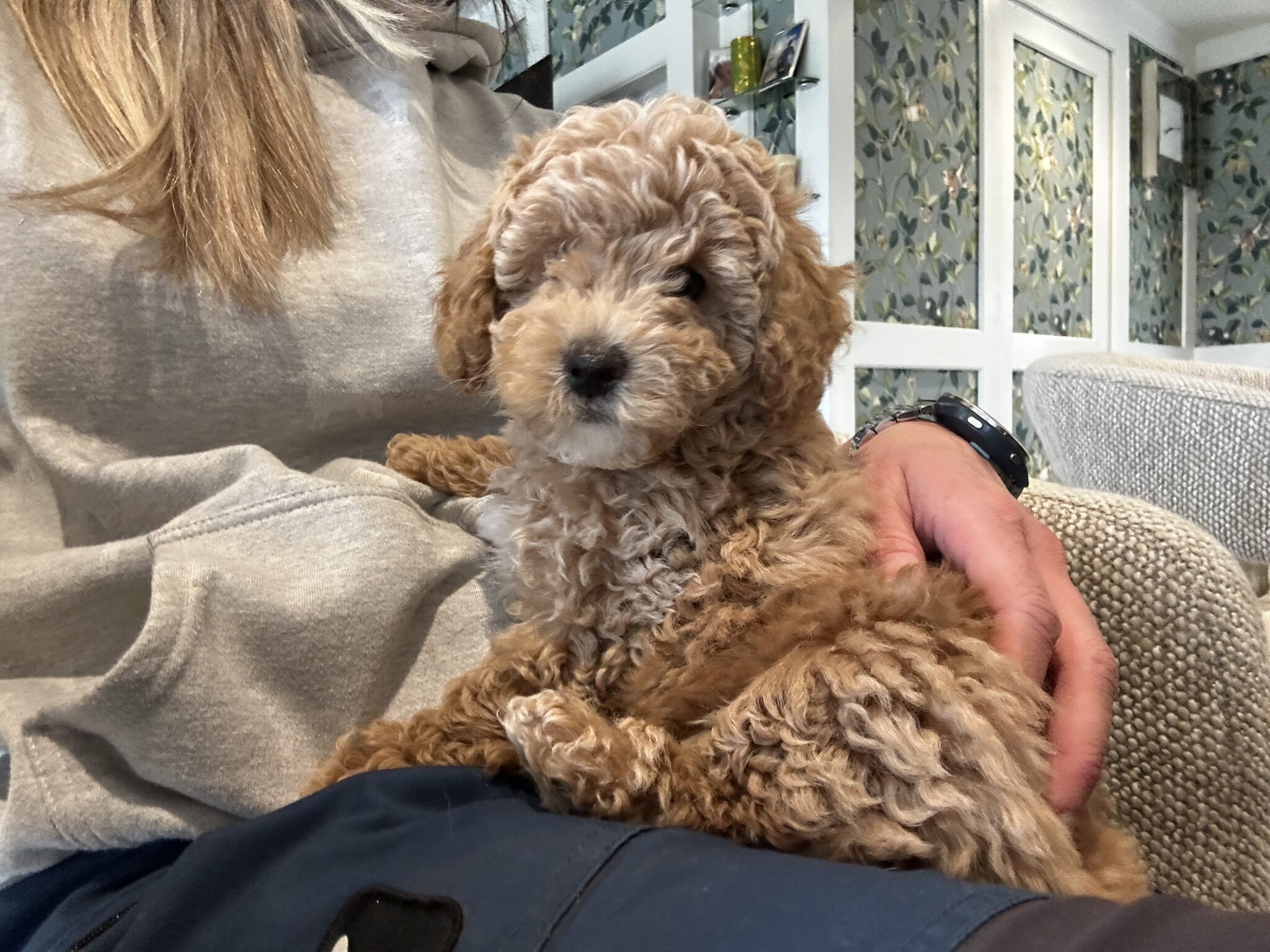
Start the day your puppy comes home, at around 8 weeks old.
Do not wait for vaccinations. The socialisation window closes at around 16 weeks, before most vaccination schedules are complete. The risk of missing the window is behavioural and lasting. The risk of careful, managed socialisation before full vaccination is far lower, provided you avoid areas with high unknown dog traffic and carry your puppy where needed.
Puppies can be socialised safely before full vaccination by:
- Being carried in public places (town centres, markets, car parks)
- Visiting the homes of fully vaccinated, healthy dogs
- Meeting calm, vaccinated dogs belonging to people you know
- Being exposed to sounds, surfaces, and environments from the safety of your arms
Where to socialise your puppy in Worcestershire
Here are some good options across the Worcestershire area:
Kidderminster: Comberton Hill and the town centre are useful for trains, traffic, crowds, and general urban exposure. The Worcestershire Canal and Broadwaters areas gives access to water sounds and different surfaces.
Bewdley: the town bridge, market days, and the riverside offer excellent varied exposure. Bewdley is particularly good for teaching puppies to be calm around pedestrians, bicycles and buggies.
Bromsgrove: the town centre on market days, Bromsgrove train station (the sounds and movement are excellent socialisation), and Sanders Park for exposure to children and open spaces.
Stourbridge: the town centre and canal areas are useful for urban exposure. The Stourbridge ‘tram’ or Shuttle is Britain’s shortest operational railway branch line and dog friendly. A unique experience for your dog.
Common socialisation mistakes
Forcing it. If your puppy freezes, tries to retreat, or shows any sign of being overwhelmed, that is your signal to create more distance and go more slowly. Pushing through fear does not build confidence; it builds an association between that thing and a bad experience.
Too much, too fast. A few short, positive sessions are worth far more than one overwhelming trip to a busy Saturday market.
Puppy parties alone. Puppy classes and puppy parties are useful, but they are not sufficient on their own. Puppies need exposure to the real world, not just other puppies in a hall.
Stopping at 16 weeks. The window closes at 16 weeks, but socialisation should continue throughout your dog’s life. Adolescence (6 to 18 months) is a period when dogs can become more sensitive, and maintaining exposure helps prevent regression.
What about puppies that missed the window?
If you have adopted an older puppy or adult dog who missed early socialisation, all is not lost. Progress is slower and requires more patience, but confidence can absolutely be built at any age with the right approach. This is often where professional behaviour support is most valuable.
If your dog is showing fear, reactivity, or anxiety linked to gaps in early socialisation, our dog behaviour consultations are a good starting point.





Comments are closed