Last updated: 10 November 2026
Your dog growled at a visitor again. Or lunged at another dog on the riverside path by Pitchcroft, or howled for an hour after you left for work. You love them, you have tried everything the internet suggested, and you are quietly running out of ideas.
You are not alone, and you have not failed your dog. Behaviour problems are some of the most common reasons owners contact their vet, and most of them improve a great deal with the right support. This guide explains what a dog behaviourist in Worcester actually does, how the process works, and how to choose the right person for your dog.
🐾 Looking for behaviour support in Worcester? Our dog behaviour consultations start with a home visit and a detailed assessment, followed by a written plan built around your dog. Evening and weekend appointments are available.
What does a dog behaviourist in Worcester actually do?
A dog trainer teaches skills: walking nicely on the lead, coming back when called, settling on a mat. A dog behaviourist looks at why a dog is behaving the way they are, then changes how the dog feels about the things that trouble them.
That difference matters. A dog who barks and lunges at other dogs is rarely being naughty. They are usually frightened, frustrated or overwhelmed, and the barking is how they cope. Teaching a sit will not fix that. Changing the dog’s emotional response to other dogs will.
Behaviour work combines a careful look at your dog’s history, health, routine and environment with a practical, step-by-step plan that you can follow at home and on your everyday walks around Worcester.
It is worth knowing that “behaviourist” is not a protected title in the UK, so anyone can use it. The Animal Behaviour and Training Council keeps a register of practitioners who meet recognised standards, which is a good place to start when you are checking someone’s background.
Why local vets refer clients to us
Many of our Worcestershire clients come to us through their vet, and we work closely with practices across the area. That relationship is important, because behaviour and health are closely linked.
Pain is one of the most overlooked causes of behaviour change. A 2020 review of pain and problem behaviour in dogs found that pain is frequently underestimated as a contributor to issues such as fear, aggression and reactivity. A dog with sore joints, an upset stomach or an ear infection has far less patience, and may snap at something they would normally tolerate.
That is why every behaviour client completes a vet health check before we begin. If something medical is playing a part, your vet can treat it, and the behaviour plan has a far better chance of working. Where it helps, we share our findings with your vet so everyone is working together. You can download our veterinary referral form here.

Common behaviour problems we help with across Worcester
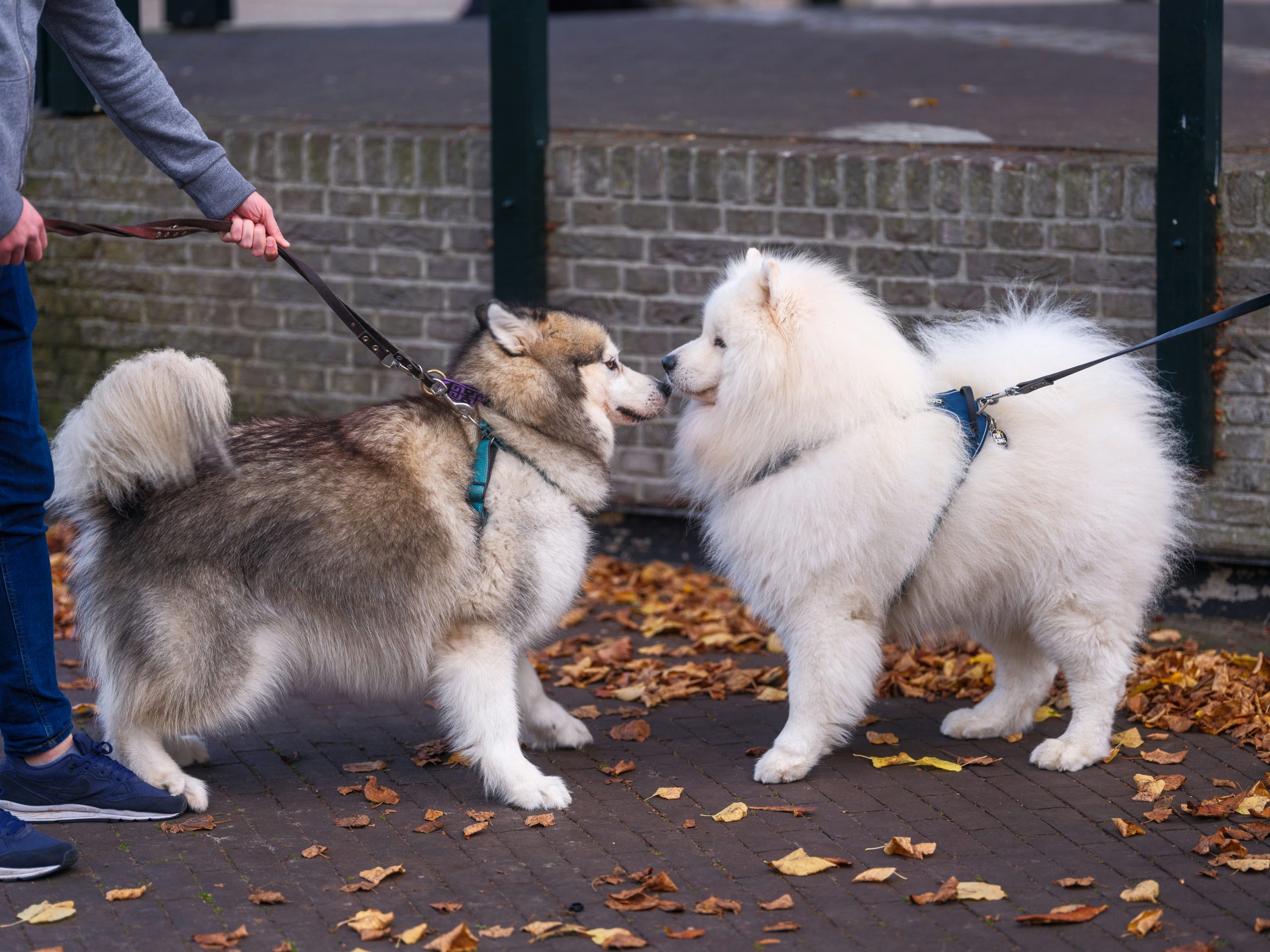
Reactivity and aggression towards other dogs. Barking, lunging and growling on the lead are among the most common problems we see, particularly on busy routes such as the riverside, Gheluvelt Park and the Worcester and Birmingham Canal towpath. Our guides to reactive dog training and dog aggression towards other dogs explain what drives this behaviour.
Fear of people and visitors. Some dogs are uneasy with strangers, or with particular people such as men, children or delivery drivers. Fear-based aggression is very treatable when it is approached gently and gradually, as we explain in our post on understanding fear aggression in dogs.
Resource guarding. Growling over food, toys, beds or stolen items is especially worrying in a family home. Our guide to resource guarding in dogs and children covers the warning signs and how to keep everyone safe.
Separation anxiety. Howling, destruction and toileting when left alone. Our dedicated separation anxiety programme is delivered remotely, which works exceptionally well because it is based on camera footage of your dog at home. If you are not sure whether your dog is affected, start with the signs of separation anxiety in dogs.
Noise sensitivity. Fireworks, thunder, traffic and household noises. See our behaviourist’s guide on how to help your dog with fireworks.
Adolescent and rescue dog struggles. Teenage dogs and newly adopted rescues often bring a mix of the above, along with jumping up, mouthing and difficulty settling.
How behaviour support works
Every case starts with a detailed assessment, usually at your home, where the behaviour actually happens. We talk through your dog’s history, health, daily routine and the situations that trigger problems, and we observe your dog in their own environment.
You then receive a written behaviour plan tailored to your dog, setting out what is driving the behaviour, how to manage it safely in the meantime, and the training steps to change it. Follow-up sessions take the work out into the real world, whether that is your street, a local park or the busy city centre, and you have ongoing support between sessions so you are never left guessing.
Most clients choose a 5-week behaviour package. More complex or severe cases, including dogs with a bite history, are better suited to our 10-week package, which allows time for gradual, lasting change. You can view our behaviour packages and book online.
We cover Worcester and the surrounding area, including Droitwich, Malvern, Bromsgrove and Kidderminster, with online sessions available across the UK.
Kind, reward-based methods grounded in science
We use reward-based training, which means showing your dog what to do and making it worth their while. For dogs whose behaviour is driven by fear or stress, this approach matters. A 2020 study found that dogs trained with rewards were calmer and more optimistic than dogs trained with harsher methods.
In practice, we change how your dog feels about their triggers, using carefully managed exposure, high-value treats such as cooked chicken, cheese or hot dog sausage, and plenty of rest and decompression.
How to choose a dog behaviourist in Worcester
When you are comparing options, a few questions will tell you a lot. Ask about qualifications and memberships, and whether they are on a recognised register. Ask whether they require a vet check before starting. Ask what methods they use, and be wary of anyone who promises a quick fix or talks about dominance or “being the pack leader”. Ask whether you will receive a written plan and support between sessions, and check they hold professional insurance.
The Confident K9 has been named one of the top 3 dog trainers in Worcester by ThreeBestRated every year since 2021, and our clients’ reviews speak to the care we take with every dog.
If you would like to talk through your dog’s behaviour, get in touch or book a behaviour consultation online.
FAQ
What is the difference between a dog trainer and a dog behaviourist?
A dog trainer teaches skills such as recall and loose lead walking. A dog behaviourist looks at why a dog behaves the way they do, including fear, anxiety, frustration and health, and changes how the dog feels about their triggers. Many problems need elements of both.
Do I need a vet referral to see a dog behaviourist in Worcester?
We ask every behaviour client to have a vet health check before we start, because pain and illness often play a part in behaviour problems. Your vet can complete our referral form, and we are happy to work alongside them.
Which areas do you cover?
We cover Worcester and the surrounding area, including Droitwich, Malvern, Bromsgrove and Kidderminster. Online sessions are available across the UK.
Do you visit my home?
Yes. Most behaviour cases begin with a home visit, because that is where much of the behaviour happens and where we can see your dog’s everyday environment. Follow-up sessions often take place on your local walks.
Can you help a dog who has bitten?
Yes. Dogs with a bite history are among those we support, usually through our 10-week package. Safety comes first, so we will help you put management in place straight away while the training plan takes effect.
How long does it take to see results?
Most owners notice changes within the first few weeks, as management reduces stress and your dog stops rehearsing the problem. Lasting change takes longer and depends on the dog, the history and how consistently the plan is followed.
What training methods do you use?
We use reward-based training, building on what motivates your dog, such as food, play and praise. It is kind, effective and well supported by research, particularly for dogs who are anxious or fearful.
Can you help with separation anxiety in Worcester?
Yes. Our separation anxiety programme is delivered remotely, which works especially well because training is based on camera footage of your dog alone at home. It is available to owners in Worcester and across the UK.
Do you offer evening and weekend appointments?
Yes. We offer appointments on weekday evenings and at weekends, so you can fit sessions around work and family life.
Is my dog too old to change?
No. Dogs can learn at any age. Older dogs sometimes need a closer look at health, as pain and changes in hearing or sight can affect behaviour, but they respond well to a kind, well-structured plan.






Comments are closed