Last updated: 10 November 2026
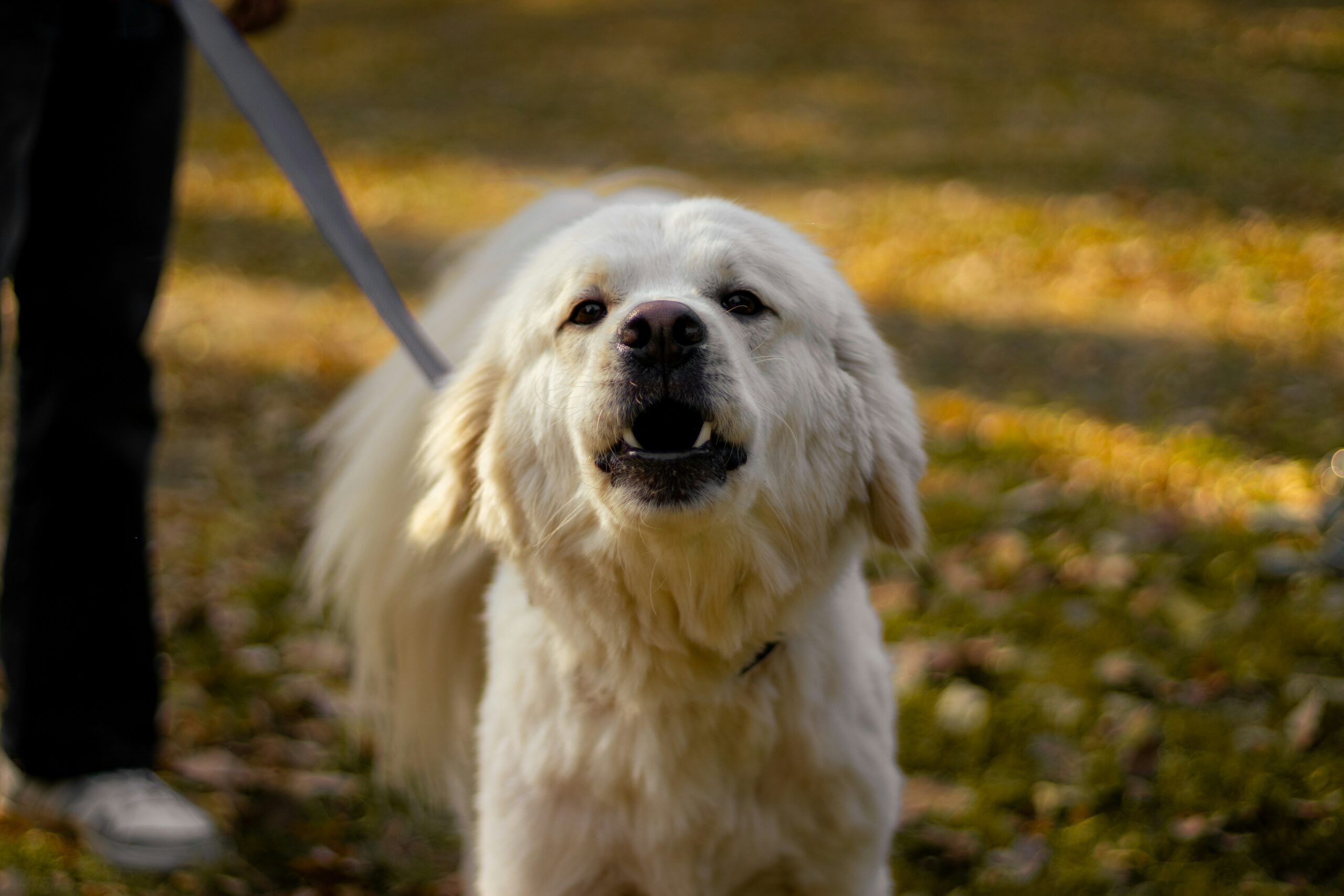
You scan the riverside path for dogs before you set off. You cross the road at the last second when a cyclist appears. You avoid the canal towpath altogether and walk at 6am to dodge everyone. If that sounds familiar, you are living with a reactive dog, and you are certainly not alone.
Our main guide to reactive dog training explains what reactivity is and why it happens. This post focuses on the practical side of living with a reactive dog in and around Worcester: where to walk, when to go, and how to build up to busier places.
🐾 Need help with a reactive dog in Worcester? Our dog behaviour consultations include sessions on your own local routes, so we work on the walks you actually do. Evening and weekend appointments are available.
Why city walks are hard for reactive dogs
Reactive dogs bark, lunge or freeze because they feel worried, frustrated or overwhelmed by something, often other dogs, people, bikes or traffic. The key to helping them is distance. When a trigger is far enough away, your dog can notice it and stay calm. Too close, and they go over threshold, the point at which they can no longer think or learn.
Worcester has some brilliant walks, but many of its most popular routes are narrow, busy or both. Riverside paths are shared with runners and cyclists. The canal towpath gives you nowhere to go if another dog appears. City streets bring buses, pushchairs and sudden noises. Understanding which places are easier and which are harder is the first part of a good plan.
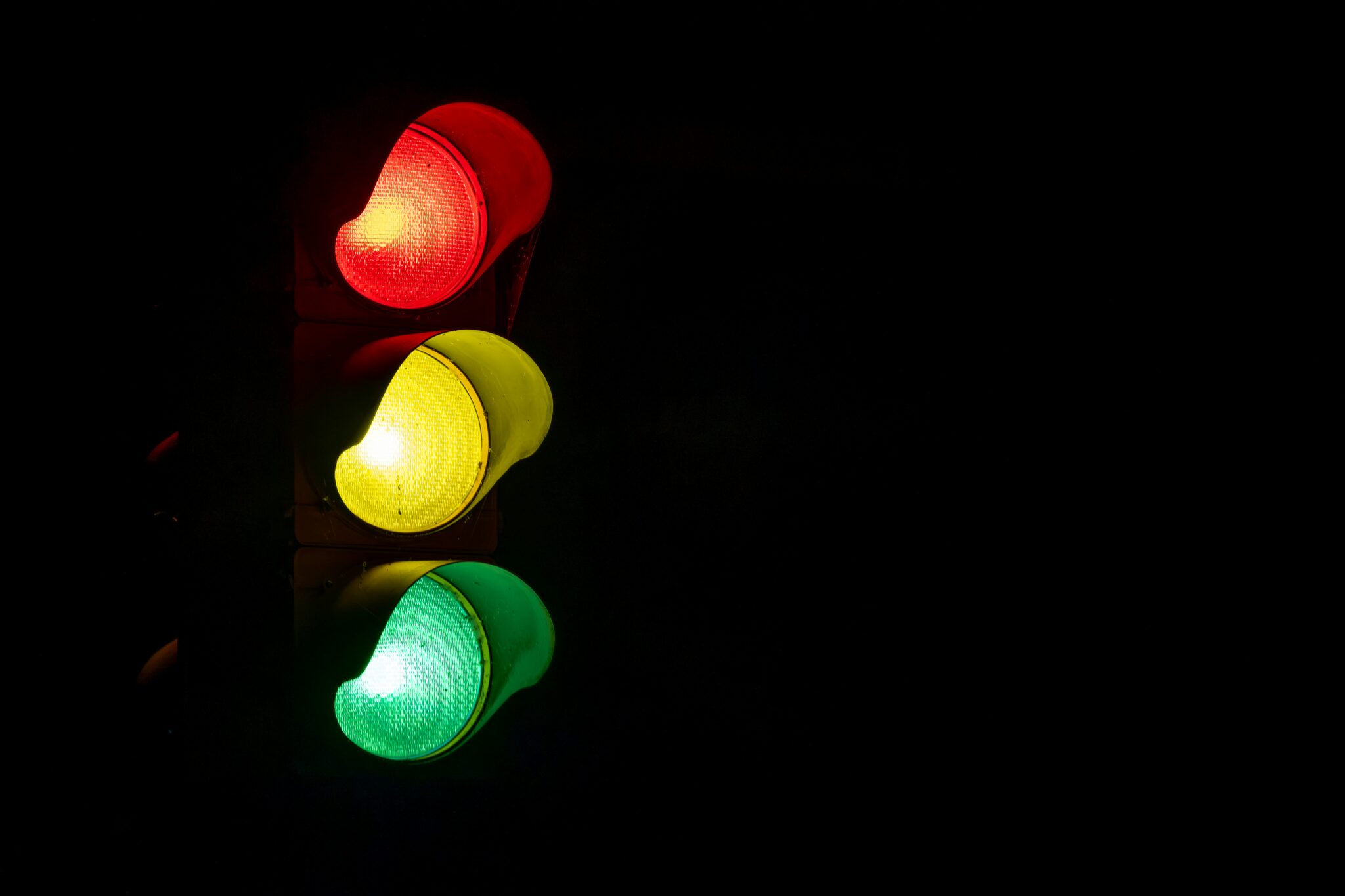
A traffic light guide to Worcester walks for reactive dogs
Think of local walks in three levels. Start with green, and only move up when your dog is relaxed and coping well.
Green: quiet places to build confidence
These are the places to practise. You can see triggers coming, keep plenty of distance and leave easily.
Secure dog fields are ideal, because you control who else is there. You can find options in our guide to secure dog fields across Worcestershire. Open spaces with wide views, such as the Old Hills at Callow End on a weekday, or Worcester Woods Country Park early in the morning, also work well. Quiet car parks are useful too: sitting in the boot of the car and watching the world go by from a distance is excellent training.
Amber: moderately busy, with room to move
Once your dog copes well in green places, try larger parks and wider paths at quieter times. Gheluvelt Park on a weekday morning, or the open parkland at Croome away from the main paths, give you more going on, but still space to step aside. Our guide to dog walks near Worcester has more ideas.
Red: busy and narrow, save for later
The canal towpath, the riverside path by Pitchcroft at busy times, race days, and the city centre on a Saturday are all very challenging for reactive dogs. Encounters happen close up, with little warning and nowhere to go. Avoid these while you are training. Many dogs can learn to cope with them eventually, but only after plenty of success in easier places.
Reactive dog training in Worcester: what the work looks like
Good reactive dog training changes how your dog feels about their triggers, rather than simply suppressing the barking. Here are the core skills we use.
Notice and reward. When your dog sees a trigger at a comfortable distance, mark it and reward with a high-value treat such as cooked chicken, cheese or hot dog sausage. Over time, the trigger starts to predict good things, and your dog begins to look back at you rather than reacting.
The U-turn. Teach a cheerful “this way” turn in a quiet place first, so you can move away smoothly when a dog appears around a corner on the riverside.
Find it. Scattering a few treats on the ground gives your dog something calming to do while another dog passes, and helps them recover after a fright.
Decompression walks. Long-line walks in quiet places, with lots of sniffing and no pressure, help to lower your dog’s overall stress. They are as important as the training itself.
Managing triggers you cannot avoid
Even with careful planning, you will sometimes meet a dog off lead or a cyclist on a narrow path. Put distance in first: turn and walk away, step behind a parked car or a tree, or cross the road. Keep your voice and lead relaxed, and scatter treats once you have some space.
A harness and a longer lead give you more control and avoid pressure on your dog’s neck. Some owners find a yellow lead or a vest marked “I need space” helps others give them room. Our guide to loose lead walking covers equipment in more detail.
Trigger stacking and bad days
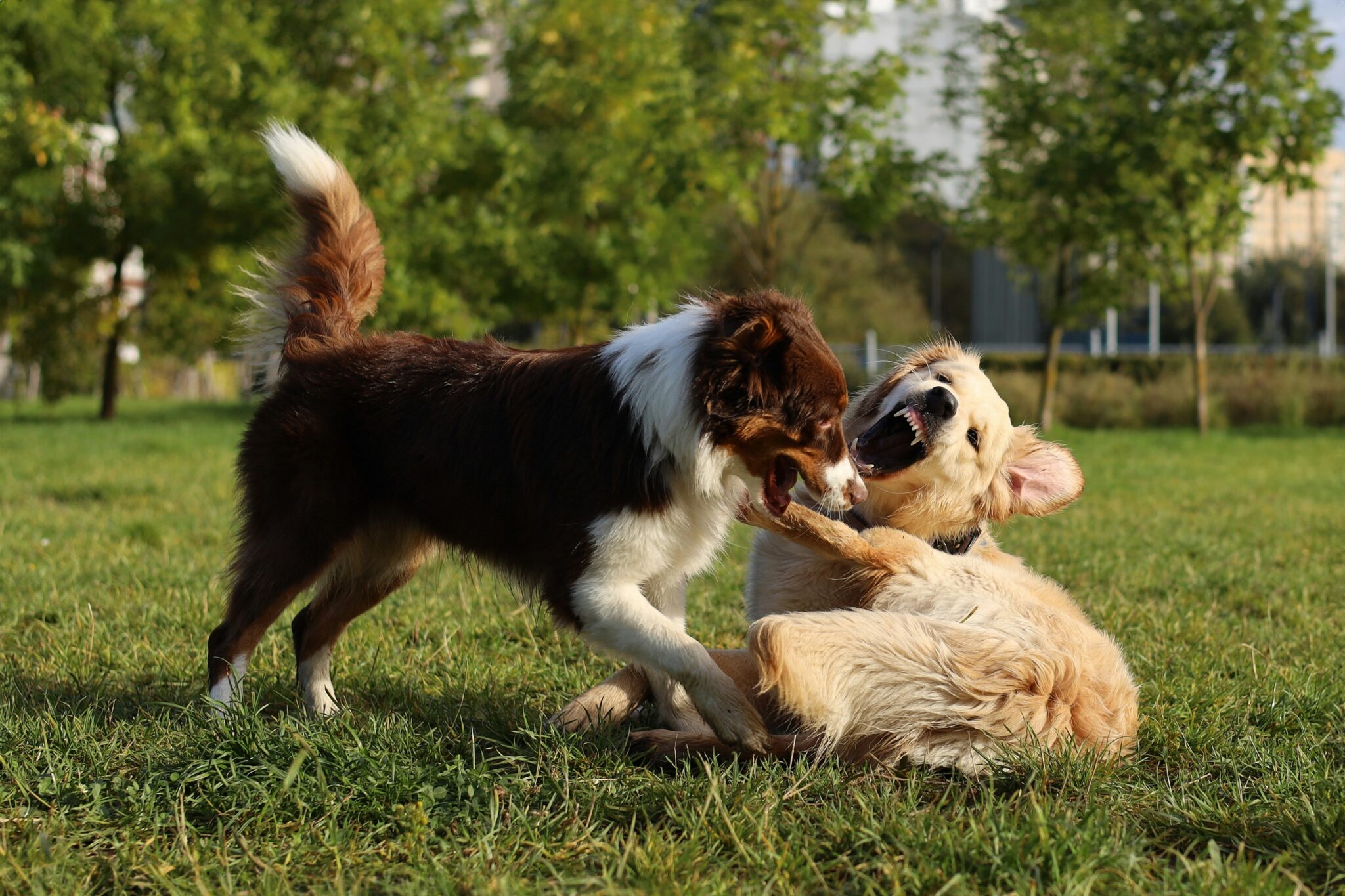
Stress builds up. A dog who coped yesterday may react today after a late night, a visitor, or the bin lorry on the street. This is called trigger stacking, and it is completely normal. On difficult days, skip the walk or keep it very short and quiet, and offer some indoor enrichment instead. One calm day is far more useful than one stressful walk.
Health comes first
Pain is one of the most common hidden causes of reactivity. A 2020 review of pain and problem behaviour in dogs found that pain is frequently underestimated as a contributor to fear and aggression. If your dog’s reactivity has appeared suddenly or got worse, please see your vet first.
Getting professional help in Worcester
Reactivity rarely improves on its own, and generic advice often misses what is driving it in your particular dog. Our behaviour packages begin with a home visit and assessment, then take the training out onto your own local routes, whether that is a quiet lane near Droitwich, the Severn path or a busy Worcester street. Most reactive dogs do well on our 5-week package, with our 10-week package for more complex cases or dogs with a bite history.
We use kind, reward-based methods throughout, and we work alongside your vet. Read more about working with a dog behaviourist in Worcester, or book a behaviour consultation online. If you are outside our area, the Animal Behaviour and Training Council keeps a register of qualified practitioners.
FAQ
What is a reactive dog?
A reactive dog responds strongly to certain triggers, such as other dogs, people, bikes or traffic, by barking, lunging, growling or freezing. It is usually driven by fear, frustration or overexcitement.
Where can I walk a reactive dog in Worcester?
Start with quiet, open places with good visibility, such as secure dog fields, the Old Hills at Callow End on weekdays, or Worcester Woods early in the morning. Avoid narrow, busy routes like the canal towpath while you are training.
Is the canal towpath suitable for reactive dogs?
Not in the early stages. The towpath is narrow and shared with cyclists and walkers, with nowhere to move away. It is best saved for later in training.
Can reactive dogs get better?
Yes. Most reactive dogs make significant progress with the right plan, careful management and consistent practice. Progress depends on the dog, the history and how often they still have to face triggers up close.
How long does reactive dog training take?
Many owners see changes within a few weeks as walks become calmer and more predictable. Lasting change usually takes several months.
Should I let my reactive dog meet other dogs?
Not while you are training. Forced greetings can make reactivity worse. Focus on calm observation at a distance, and only consider meetings later with carefully chosen, calm dogs.
What should I do if an off-lead dog approaches?
Calmly turn and walk away if you can, put something between you and the approaching dog, and ask the owner to call their dog back. Scatter treats once there is space.
Does a reactive dog need a muzzle?
Not every reactive dog needs one, but if there is any risk of a bite, a well-fitted basket muzzle introduced gradually with treats is a responsible safety measure. We can help you train it.
Do you offer reactive dog training sessions in Worcester?
Yes. We work with reactive dogs across Worcester and the surrounding area, including Droitwich, Malvern, Bromsgrove and Kidderminster, with sessions at home and on your local walks.






Comments are closed