Most behaviour consultations focus on what a dog does and how to change it. Fewer look at why a dog’s emotional baseline might be making that change harder. One factor that rarely gets discussed, but that current research suggests we should be taking seriously, is the relationship between your dog’s gut microbiome and behaviour. What is happening in your dog’s digestive system has a direct line of communication to their brain, and the state of that communication can influence everything from anxiety levels to aggression thresholds.
The relationship between the gut microbiome and behaviour is one of the fastest-developing areas of canine science right now, and the findings are significant enough that I think every dog owner should understand the basics. This post covers what the research actually says, what a healthy microbiome looks like, why getting it wrong can make behaviour worse rather than better, and what you can start doing today without spending a fortune.
Before we get into the detail: I am a behaviourist, not a veterinary nutritionist. The information here is educational and based on current published research. If you are considering making significant changes to your dog’s diet, particularly if your dog has any existing health conditions, please speak to your vet first. Small additions like a teaspoon of kefir or a few blueberries are generally very low risk, but your vet knows your individual dog and is always the right person to consult if you are unsure about anything dietary.
What is a dog’s gut microbiome and why does it matter for behaviour?
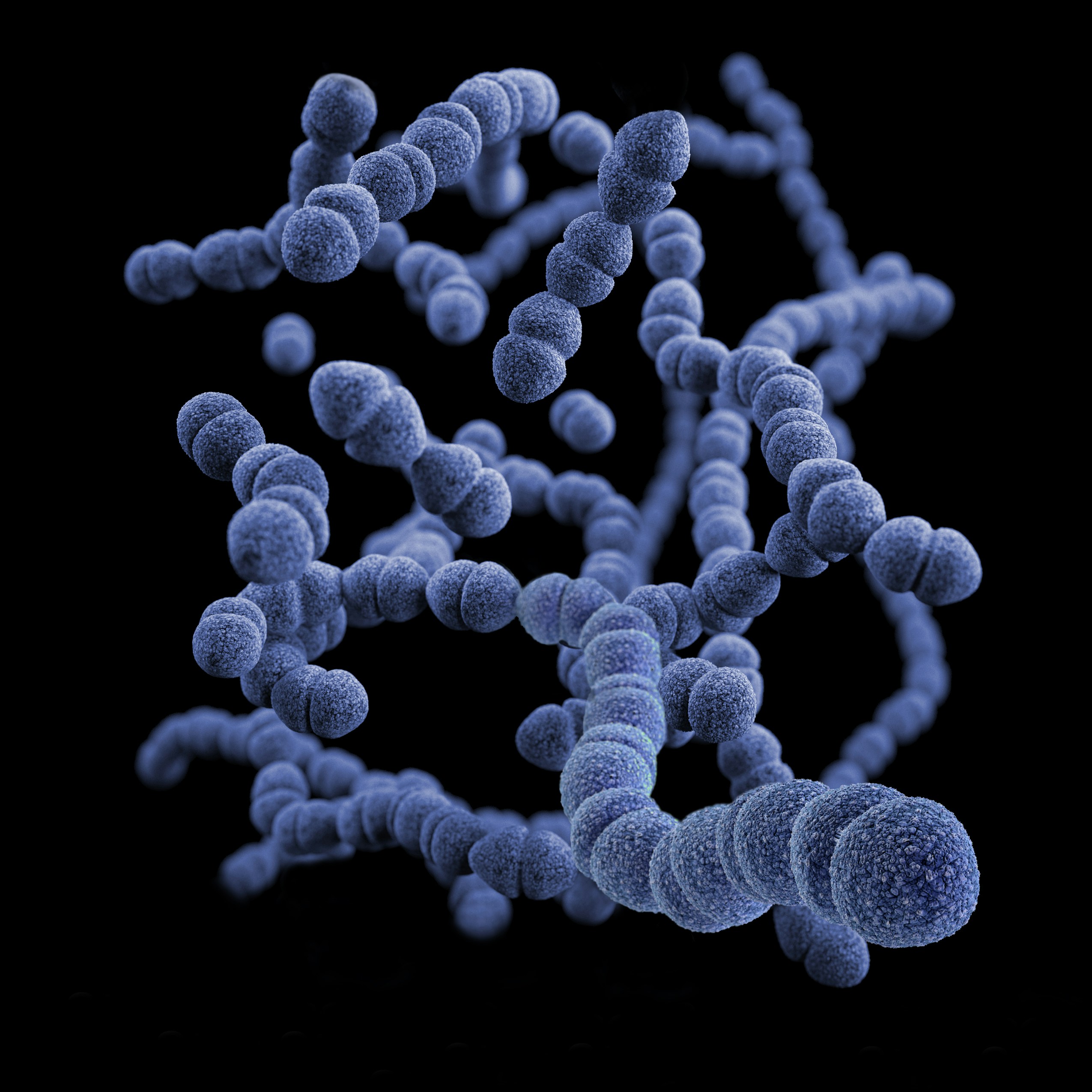
Your dog’s gut is home to trillions of microorganisms: bacteria, fungi, viruses, and other microscopic life forms that together form a complex ecosystem called the gut microbiome. This ecosystem does more than digest food. It communicates constantly with the brain via what scientists call the gut-brain axis, a two-way communication highway that runs primarily through the vagus nerve.
Think of it like this. Your dog’s gut is not simply processing food in isolation. It is producing neurotransmitters, including around 90% of the body’s serotonin, the chemical most associated with mood, emotional regulation, and feelings of calm. It is influencing cortisol levels, the primary stress hormone. It is regulating inflammation throughout the body, including the brain. It also sends signals upward through the nervous system that directly shape how your dog perceives and responds to the world around them.
A 2024 review published in Veterinary Medicine International confirmed that the gut-brain axis is present and functional in dogs, and that disruptions to this system are associated with anxiety-related disorders. This is not a fringe theory. It is now considered one of the most promising new frontiers in veterinary behavioural medicine.
What does the research say about gut microbiome and dog behaviour?
The science here has moved quickly. A landmark study published in Scientific Reports in 2025 by Pellowe et al.compared the gut microbiota of dogs categorised by their levels of anxiety and aggression using the Canine Behavioral Assessment and Research Questionnaire. The findings were striking: machine-learning models could predict whether a dog fell into the higher- or lower-anxiety group based on gut bacterial composition alone. One genus in particular, Blautia, was consistently associated with higher anxiety across multiple analyses.
A separate 2025 study published in Veterinary Sciences examined working dogs and found that aggressive behaviour correlated with specific differences in gut microbiota composition and lower serum serotonin levels. Given that much of the body’s serotonin is produced in the gut, the connection is not coincidental.
A 2025 exploratory study published in PLOS ONE found altered microbiome and metabolome profiles in fearful companion dogs compared to non-fearful controls, adding further weight to the idea that fear and anxiety states are reflected in gut composition, and very possibly influenced by it.
What none of these studies can yet definitively prove is the direction of causation: does a disrupted gut microbiome cause anxiety, or does a chronically anxious state disrupt the gut microbiome, or both? The honest answer from the current science is: probably both, in a feedback loop. But regardless of which comes first, the practical implication is the same. Supporting a healthier gut microbiome is a legitimate and evidence-informed tool for supporting emotional regulation in dogs.
The fast food analogy: how diet shapes the microbiome
Here is a way to understand this that most of us can feel instinctively.
Think about children raised on a diet of heavily processed food: white bread, chicken nuggets, sugary drinks, crisps, and very little in the way of vegetables, fibre, or fermented foods. We know from decades of research that these children tend to have less diverse gut microbiomes, higher rates of inflammation, and are at greater risk of mood disorders, attention difficulties, and emotional dysregulation. We also know anecdotally what many parents observe: a child who lives primarily on ultra-processed food is often more irritable, more reactive, and harder to settle than a child eating a varied, whole-food diet.
Now compare those children to children raised on a Mediterranean-style diet, rich in vegetables, legumes, fruit, fermented foods, and fibre. The research consistently shows greater microbiome diversity, lower inflammatory markers, better emotional regulation, and more stable mood.
The same principle applies to dogs. A dog fed exclusively on ultra-processed dry kibble, particularly low-quality kibble high in artificial additives and low in prebiotic fibre, is likely to have a less diverse gut microbiome than a dog fed a varied diet that includes fresh whole foods. A less diverse microbiome means fewer of the microbial species that produce the neurotransmitters and short-chain fatty acids that support calm, regulated behaviour.
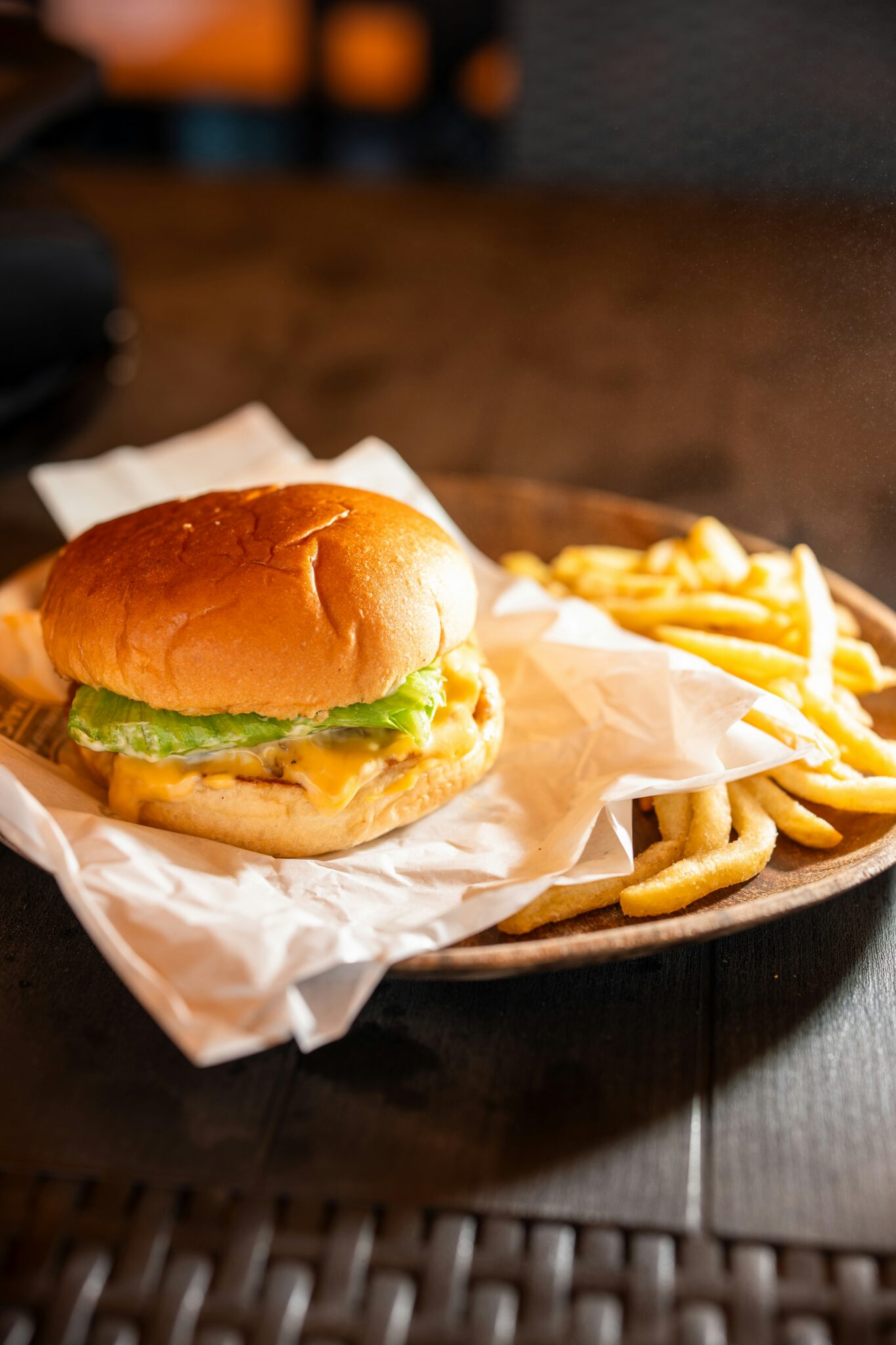
This does not mean all kibble is bad or that you need to overhaul your dog’s entire diet overnight. But it does mean that what goes into your dog’s bowl every day has a direct impact on how they feel, not just physically, but emotionally.
What does a rich and balanced microbiome actually look like?
The term “healthy gut” gets used a lot without much explanation of what it actually means. In canine gut health, scientists use the term eubiosis for a well-balanced microbiome. The opposite state, where the balance has broken down, is called dysbiosis.
In a healthy dog, the gut microbiome is typically dominated by four main bacterial phyla: Firmicutes, Bacteroidetes, Fusobacteria, and Proteobacteria, with smaller amounts of Actinobacteria and others. What matters is not just which bacteria are present, but the balance and diversity between them.
Two concepts are important here:
Richness refers to the total number of different species present. A richer microbiome generally means more resilience and more metabolic capacity.
Diversity refers to how evenly those species are distributed. A microbiome where one or two species vastly outnumber everything else is less healthy than one where hundreds of species coexist in relative balance, even if the total number of species is the same.
Here is the part that surprises most people. Too much of a so-called “good” bacterium is actually a problem. If one bacterial species, even a beneficial one like Lactobacillus, proliferates unchecked and crowds out others, the result is still dysbiosis. The goal is not to maximise any single strain. It is to support the widest possible diversity of species existing in a dynamic, balanced community.
This is why blanket probiotic supplementation is more complicated than it sounds.
The problem with shop-bought probiotics
This is where I want to challenge something that has become received wisdom among dog owners, and even some trainers and vets: the idea that adding a probiotic supplement to your dog’s diet is straightforwardly good for them.
The reality is more nuanced, and the science supports a more cautious position.
Probiotic supplements contain specific strains of bacteria in specific quantities. Whether those strains are beneficial for your individual dog depends entirely on what your dog’s existing microbiome looks like. If your dog already has a relative abundance of Lactobacillus and you add a Lactobacillus-heavy supplement, you are not restoring balance to their microbiome. You may actually push it further out of balance by letting one group of bacteria dominate.
The quality of commercial probiotics also varies enormously. Many products on the market do not meet strict probiotic criteria as defined by peer-reviewed research: the strains listed may not be viable by the time the product reaches your dog’s gut, the quantities may be insufficient to have a meaningful effect, and the strains chosen may not be the ones that actually colonise the canine gut effectively.
This does not mean probiotics are useless. Specific strains, particularly Bifidobacterium longum BL999 and certain Lactiplantibacillus plantarum strains, have shown genuinely promising results in controlled trials with anxious and aggressive dogs. But the key phrase is specific strains, at specific doses, for dogs whose microbiome profile actually indicates a need for them.
The only way to know with any confidence whether a particular probiotic is appropriate for your dog is to understand what your dog’s microbiome currently looks like. And the only way to do that properly is through a gut microbiome test.
Gut microbiome testing: worth it if you can
A canine gut microbiome test involves collecting a small stool sample at home and posting it to a laboratory, which sequences the microbial DNA and produces a detailed report of the bacterial communities present. Some tests, such as those available from AffinityDNA, can identify more than 5,000 different types of bacteria, flag harmful pathogens, and compare your dog’s profile against those found in healthy dogs.
The most valuable use of a microbiome test is as a baseline: you get a clear picture of what is happening in your dog’s gut right now, which then allows any dietary or probiotic interventions to be targeted and informed rather than guesswork. Retesting after three to six months of dietary change lets you see whether things have actually shifted.
That said, microbiome testing is not accessible for everyone, and it is worth being honest about its limitations too. Current consumer tests use a method called 16S rRNA sequencing, which identifies which bacteria are present but cannot yet tell you what those bacteria are actually producing or doing in real time. Results are a snapshot, not a permanent picture, and can shift meaningfully within days in response to diet, stress, antibiotics, or seasonal changes.
If a microbiome test is not on the cards right now, that is completely fine. You can do a great deal to support your dog’s gut health without one, and even modest diet improvements can have a meaningful impact over time.
What you can do at home: practical foods to support your dog’s gut microbiome
The following foods have genuine support in the research literature for promoting gut microbiome health. The goal is diversity: offering a variety of these foods regularly, in appropriate amounts, is more valuable than adding a large amount of any single one.
Always introduce new foods gradually and in small amounts to avoid digestive upset. If your dog has a sensitive stomach, a history of pancreatitis, or any existing health condition, check with your vet before introducing new foods.
Kefir
What it is: a fermented dairy drink produced by fermenting milk with kefir grains, which contain a diverse combination of bacteria and yeasts.
Why it helps: kefir delivers a broader range of live bacterial cultures than most commercial probiotics, along with vitamins B12 and K2, calcium, and magnesium. A feeding trial found that dogs given kefir showed reduced levels of Fusobacteria and improved ratios of beneficial to harmful bacteria after just two weeks. The fermentation process also breaks down most of the lactose, making kefir more tolerable than plain milk for many dogs, including some that are mildly lactose intolerant.
How much to give: start with half a teaspoon for small dogs, one teaspoon for medium dogs, and one to two teaspoons for large dogs. Build up slowly over a week or two. Plain, unsweetened, full-fat milk kefir is ideal. Water kefir is an alternative for dogs that do not tolerate dairy at all.
Ideas for use: stir into food as a meal topper. Freeze in an ice cube tray and offer as a cool enrichment treat. Spread a thin layer inside a lick mat or Kong and freeze for 20 minutes before giving.
No time for enrichment toys: simply spoon it over their regular meal. That is genuinely enough.
Sauerkraut
What it is: finely shredded fermented cabbage, produced through lacto-fermentation.
Why it helps: unpasteurised, refrigerated sauerkraut contains live lactic acid bacteria (primarily Lactobacillus species) along with prebiotic fibre that feeds existing beneficial bacteria. Research shows fermented vegetables can improve gut microbiota composition and increase short-chain fatty acid production, which is critical for gut barrier integrity and reducing systemic inflammation. The prebiotic fibre element means sauerkraut benefits the gut even if some of the bacteria do not survive the journey through your dog’s stomach.
How much to give: one teaspoon for small dogs, one to two teaspoons for medium dogs, two teaspoons for large dogs. It must be plain, unseasoned, and unpasteurised. Check the label: pasteurised sauerkraut from a jar that has been heat-treated will not contain live bacteria, though it will still provide the fibre benefit. Refrigerated sauerkraut from the chilled section is usually the live version.
Ideas for use: mix into food. Smear into a Kong with a small amount of their regular wet food. No time for that: spoon it over their bowl.
Blueberries
What it is: small, antioxidant-rich berries.
Why it helps: blueberries are rich in polyphenols, particularly anthocyanins, which act as prebiotics by selectively feeding beneficial gut bacteria. They also have potent antioxidant properties that reduce oxidative stress and systemic inflammation, both of which negatively affect gut microbiome health and, via the gut-brain axis, emotional regulation. Research consistently links polyphenol-rich foods to increased gut microbiome diversity.
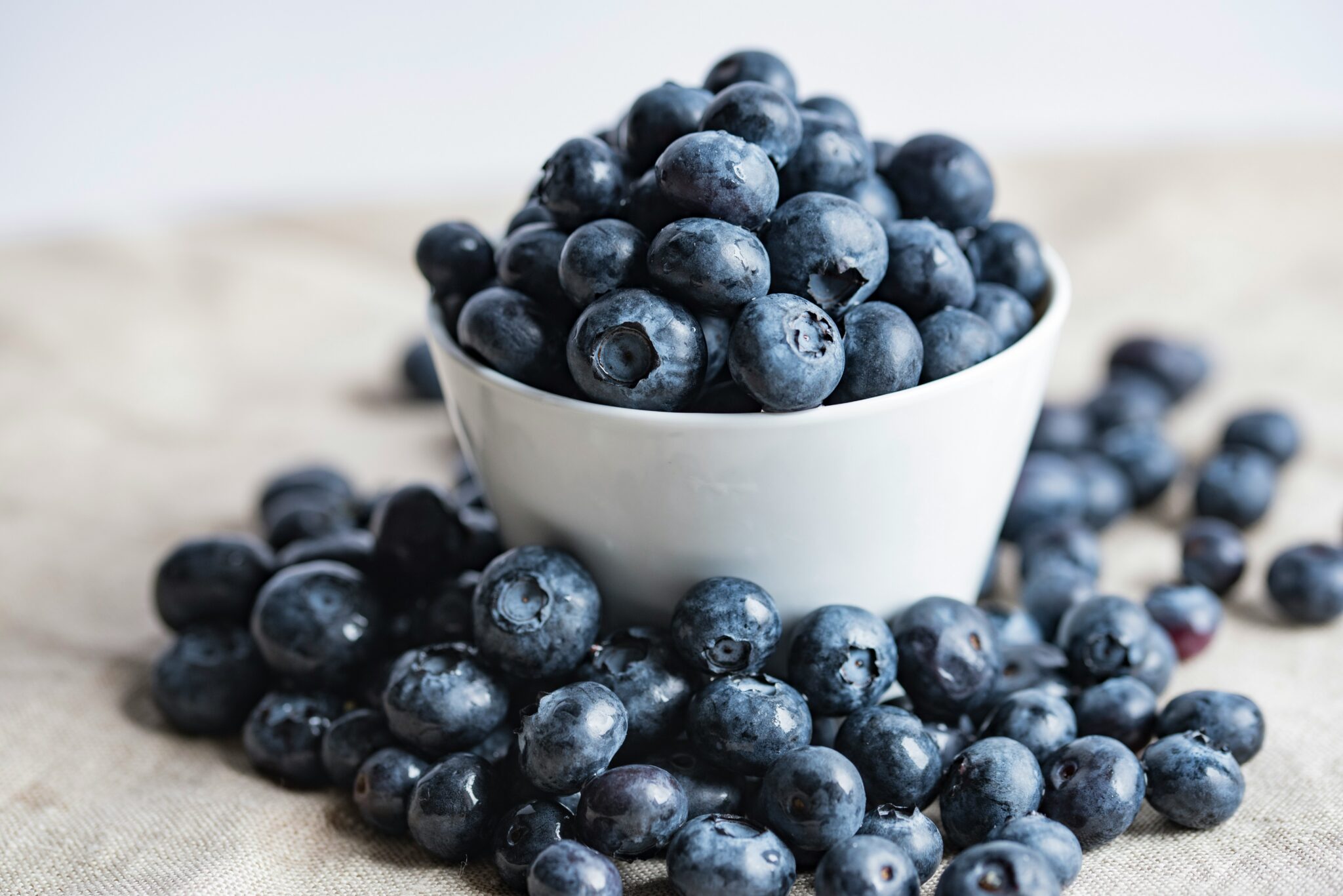
How much to give: two to three blueberries for small dogs, five to six for medium dogs, eight to ten for large dogs. Frozen blueberries are fine and dogs often prefer them, especially in warmer weather.
Ideas for use: scatter on the floor for a simple foraging activity. Freeze in a layer of kefir in a lick mat. Hide a few inside a Kong with other food. No time for that: scatter a few on top of their bowl.
Butternut Squash and Pumpkin
What it is: orange-fleshed vegetables with a high fibre content.
Why it helps: butternut squash and pumpkin are excellent sources of soluble fibre, particularly pectin, which acts as a prebiotic, feeding the beneficial bacteria already present in your dog’s gut. Soluble fibre also helps regulate gut motility and supports gut-lining integrity, which matters because a compromised gut lining (sometimes called leaky gut) can allow bacterial toxins to enter the bloodstream and drive systemic inflammation. Both vegetables are also rich in beta-carotene, potassium, and vitamin C.
Plain, cooked, unseasoned butternut squash or pumpkin (not pie filling, which contains added sugars and spices) is ideal. Many dogs enjoy it at room temperature or chilled.
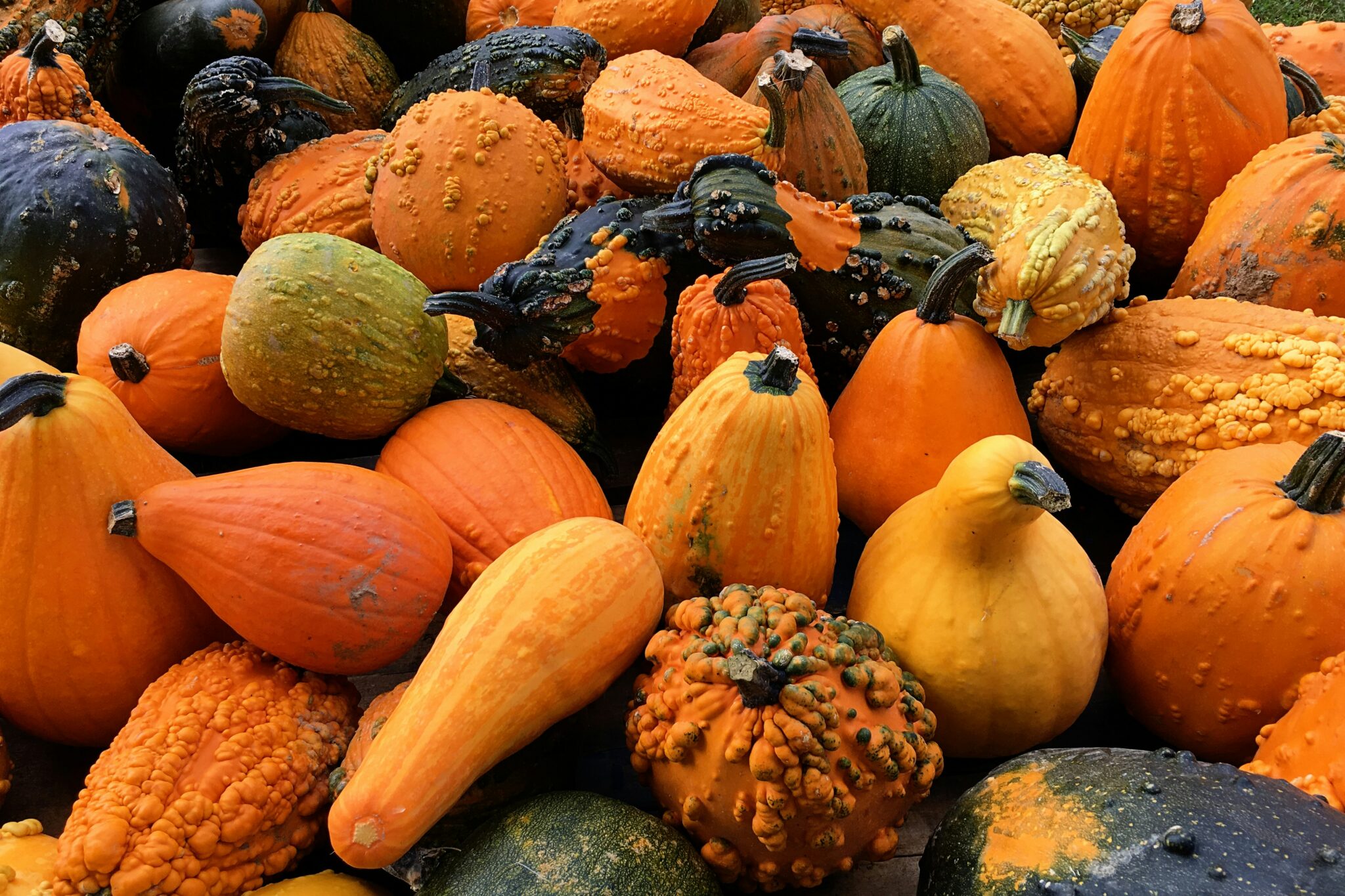
How much to give: one teaspoon of plain cooked puree for small dogs, one tablespoon for medium dogs, two tablespoons for large dogs. Introduce slowly as too much fibre too quickly can cause loose stools.
Ideas for use: spoon into a Kong and freeze. Mix into their regular food. Use as a layer in a lick mat alongside kefir. No time for that: stir a spoonful into their bowl at mealtimes.
Other foods worth adding gradually
Cooked sweet potato: another excellent prebiotic fibre source, gentle on the gut, and usually very palatable.
Plain live yogurt: similar benefits to kefir but with fewer bacterial strains. Choose full-fat, unsweetened, with live active cultures.
Cooked oats: contain beta-glucan, a soluble fibre with well-documented prebiotic effects.
Cooked carrots: a good prebiotic fibre source that’s easy to add to any meal.
Banana (in small amounts): contains fructooligosaccharides, which selectively feed beneficial bacteria. High in natural sugar, so keep portions small.
You do not have to do everything at once
If reading this has made you feel like you need to overhaul your dog’s entire diet immediately, please take a breath. You do not.
The research is clear: even modest improvements in dietary diversity make a meaningful difference in gut microbiome composition over time. Adding a teaspoon of kefir to your dog’s breakfast three times a week, or scattering a few blueberries on their dinner, is a genuine step forward. It does not need to be expensive, time-consuming, or complicated to be worthwhile.
Start with one thing. See how your dog tolerates it. Add something else the following week. Small, consistent changes compound over months into something genuinely significant.
If your dog’s behavioural challenges are severe, persistent, or worsening, please do seek professional support alongside any dietary changes. The gut microbiome is one piece of the picture, and an important one, but it sits alongside training, environment, veterinary health, social needs, and emotional history. No single intervention works in isolation.
How this connects to behaviour work
In my clinical practice, I regularly discuss gut health with clients as part of a broader conversation about everything that influences a dog’s emotional baseline. A dog that is living in a state of chronic low-grade inflammation, producing suboptimal levels of serotonin, and experiencing gut dysbiosis is going to find it harder to learn, harder to regulate, and harder to cope with the demands we place on them. The training strategies we use are sound, but they work better when the dog’s biology is supporting them rather than working against them.

If you would like to explore this as part of a wider behaviour support programme, our dog behaviour consultations cover exactly this kind of whole-dog approach. You can also learn more about how we work on our dog behaviourist Kidderminster page.






Comments are closed